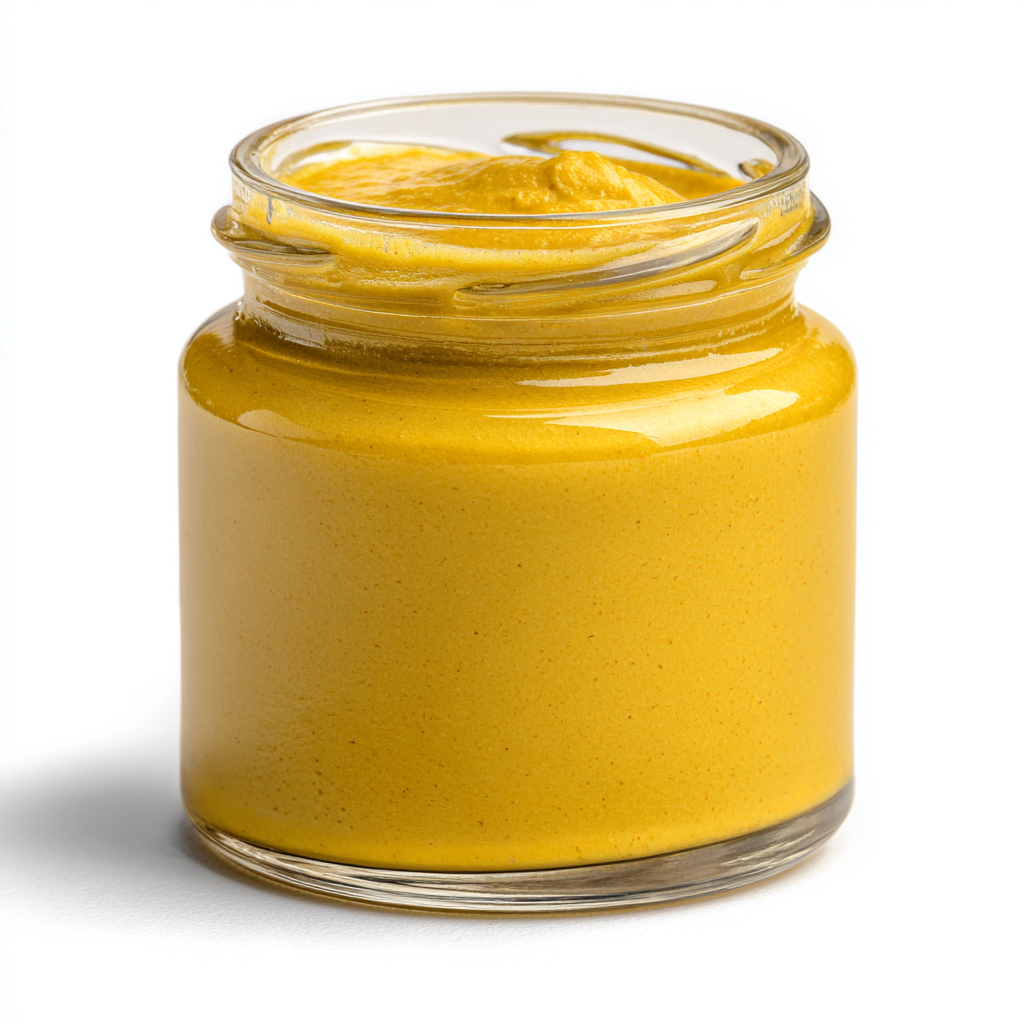
Mustard.
Mustard — Nutrition & Culinary Profile
otherMustard is a pungent condiment made from the seeds of the mustard plant, often used to add flavor to various dishes. It has a distinctive, tangy taste and is commonly used in sauces, marinades, and as a topping. Mustard is also a key ingredient in many traditional recipes, such as hot dogs, burgers, and salad dressings.
✓ Gluten-free✓ Mediterranean✓ Paleo✓ Vegan✓ Vegetarian
Processing States
Minerals per 100g
Calcium64 mg
Iron1.5 mg
Magnesium45 mg
Phosphorus120 mg
Potassium520 mg
Sodium5 mg
Zinc0.5 mg
Vitamins per 100g
Vitamin A0.1 µg
Vitamin C2.5 mg
Vitamin D0 µg
Vitamin E0.5 mg
Vitamin K25.5 µg
Vitamin B10.1 mg
Vitamin B20.1 mg
Vitamin B3 (Niacin)2.5 mg
Vitamin B60.1 mg
Vitamin B9 (Folate)20 µg
Vitamin B120 µg
Culinary Profile
Sweetness
2
Acidity
6
Bitterness
4
Umami
6
Aroma
8
Texturepowdery
Food Properties
Glycemic Index35
Glycemic Load2
pH5.5
Smoke Point200 °C
Water Activity0.6
Kitchen Measures
1 Cup
212.9 g1 cup to grams
1 Tablespoon
13.3 gtablespoon to grams
1 Teaspoon
4.4 gteaspoon to grams
Density0.9 g/ml
Used in Cooking
Allergens
mustard
Season
all year
Best Pairings
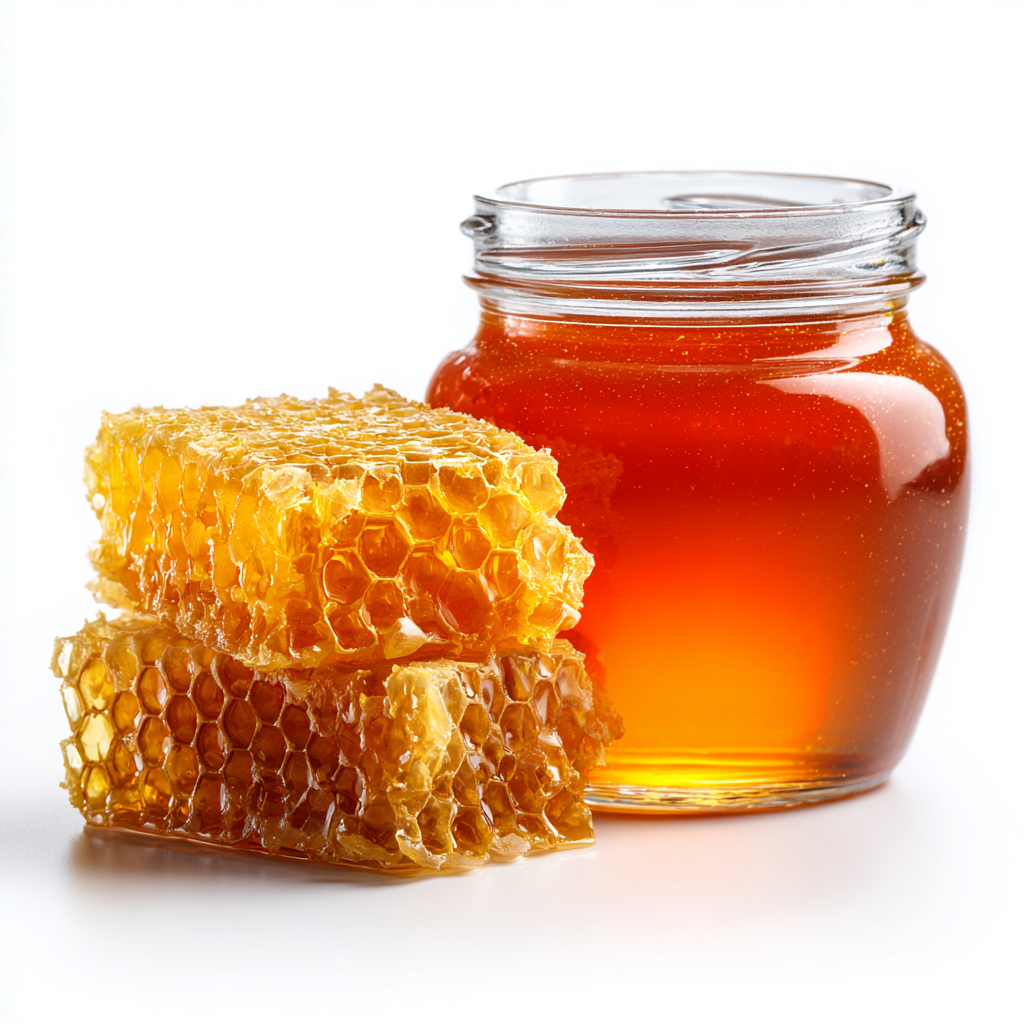
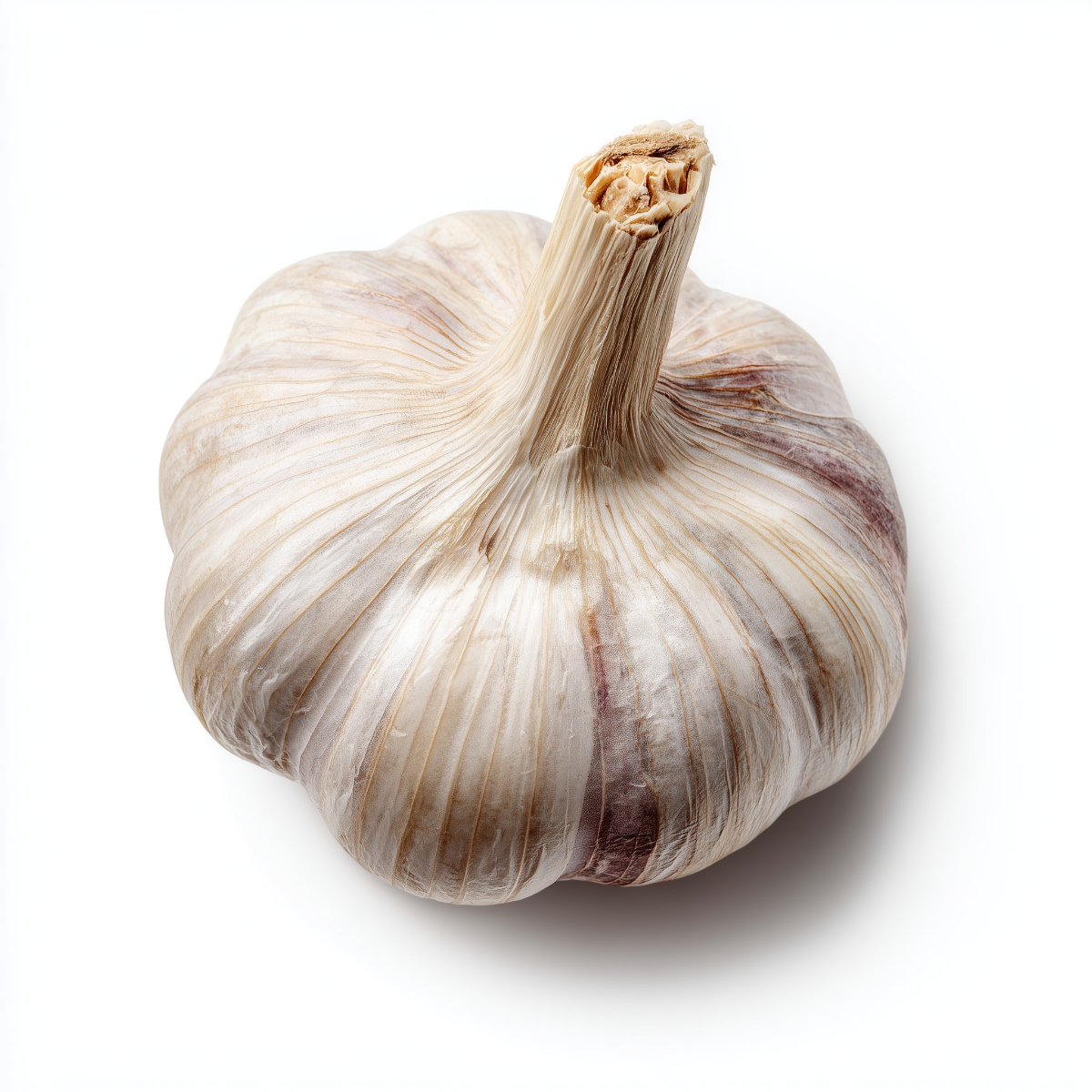
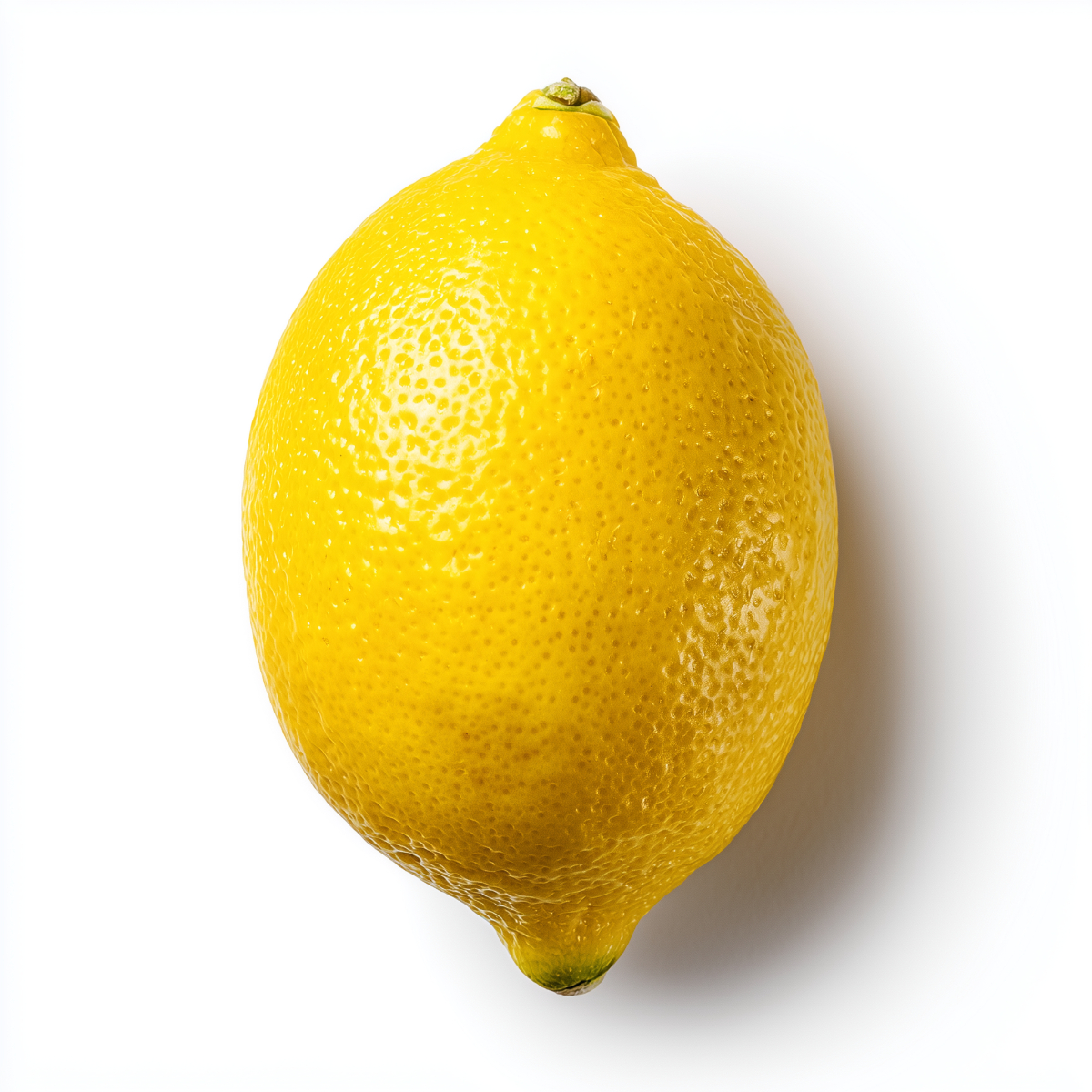
Mustard — nutrition facts & calories
Protein, fat, carbs, vitamins & minerals — full profile.