other
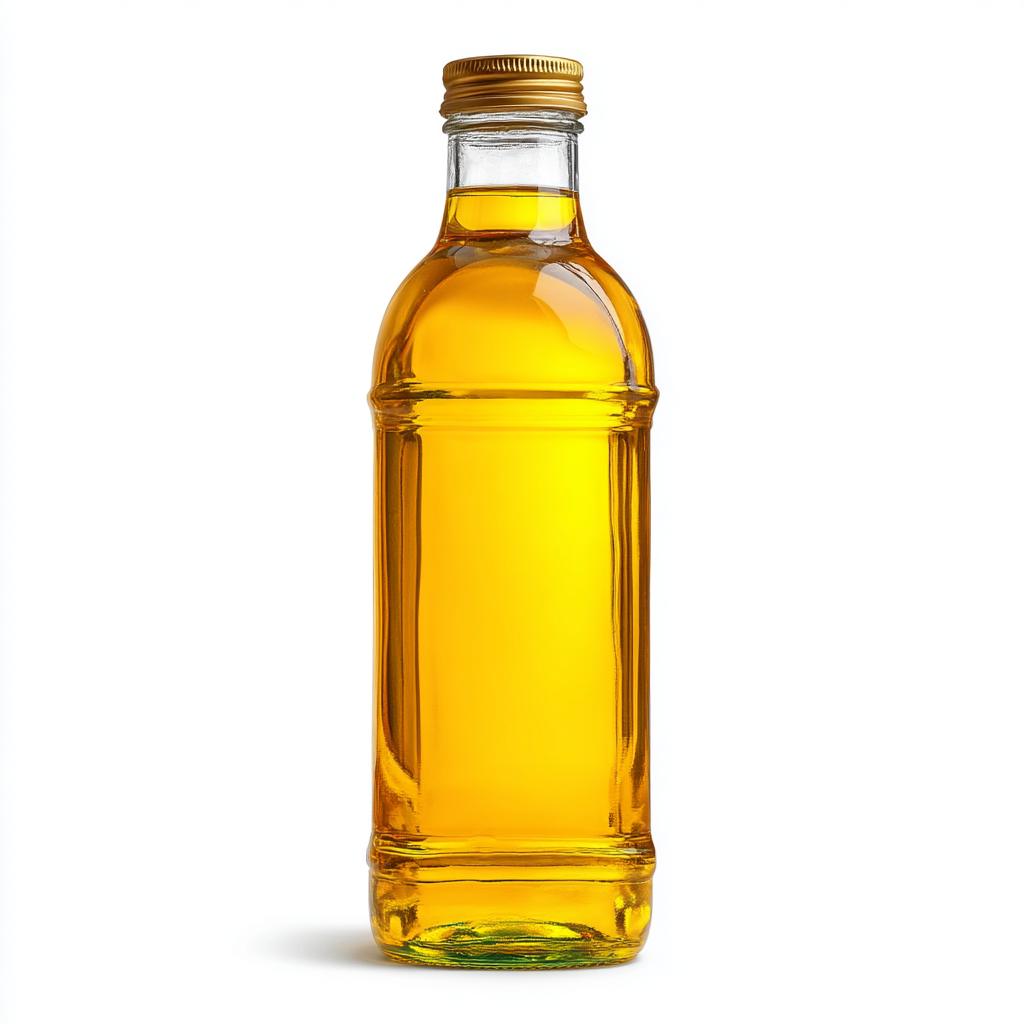
Rapeseed Oil — Nutrition & Culinary Profile
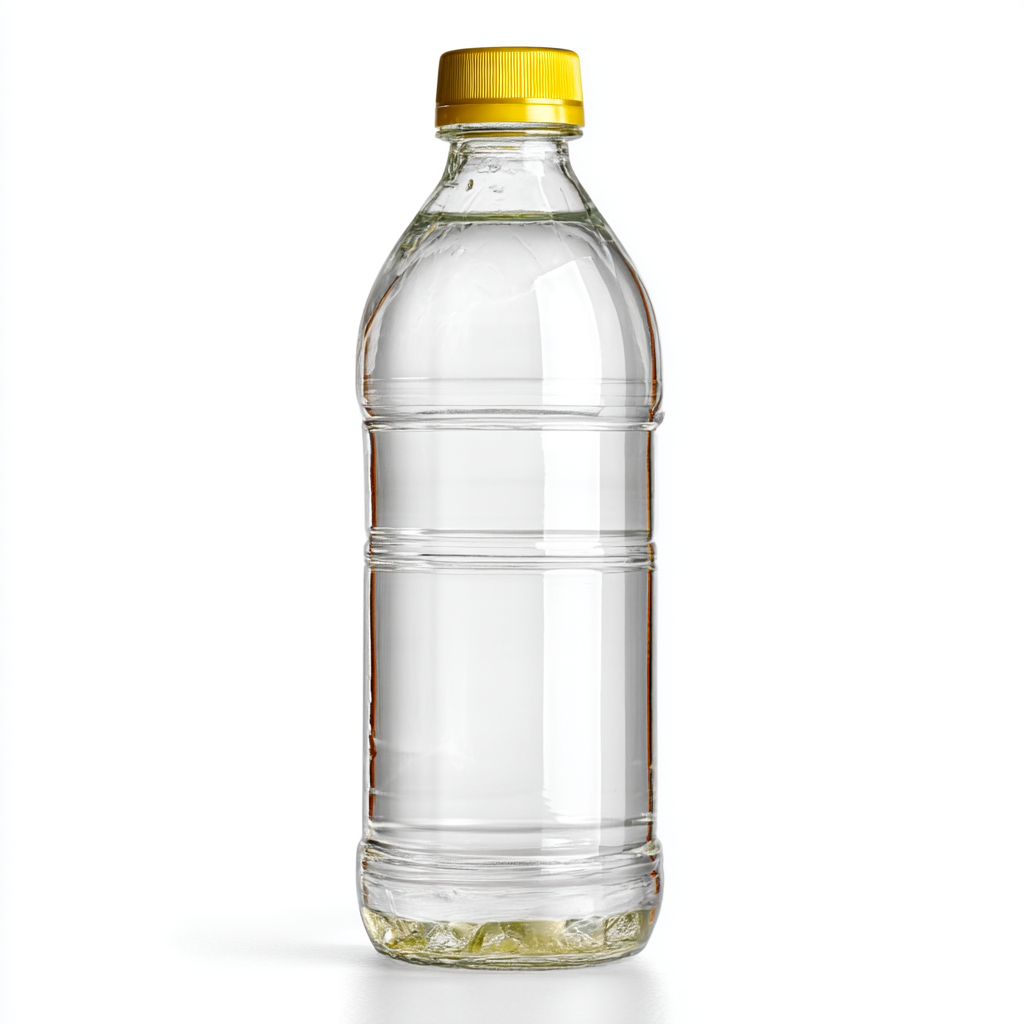
Rapeseed oil, often known as canola oil when bred for low erucic acid, is a highly versatile cooking fat with a neutral flavor and light texture. Its high smoke point makes it excellent for frying, sautéing, and baking without overpowering the dish's natural taste. It is also prized for its smooth consistency in salad dressings and emulsions.
Vitamins
Minerals
Culinary profile
Properties
Diets
Processing states
raw
Fresh, unprocessed ingredient. Store refrigerated.
boiled
Cooked in boiling water. Softer texture, some nutrient loss to water.
steamed
Steamed. Minimal nutrient loss, retains natural texture.
baked
Oven-baked. Moderate water loss, flavour concentration.
grilled
Grilled over high heat. Fat drips off, smoky flavour.
fried
Pan-fried or deep-fried in oil. Higher fat and calorie content.
smoked
Smoked. Extended shelf life, concentrated flavour, lower moisture.
frozen
Frozen at -18°C. Nutrition virtually unchanged. Thaw before use.
dried
Dried/dehydrated. Highly concentrated nutrients. Rehydrate before cooking.
pickled
Pickled in brine or vinegar. Acidic taste, extended shelf life.
Best pairings