Techniques
The Science of the Perfect Crispy Fish Skin: A Chef's Guide
Master the science of crispy fish skin. Learn professional chef techniques for moisture control, pan selection, and frying to get restaurant-quality results.
 Dima FominJune 9, 20264 min read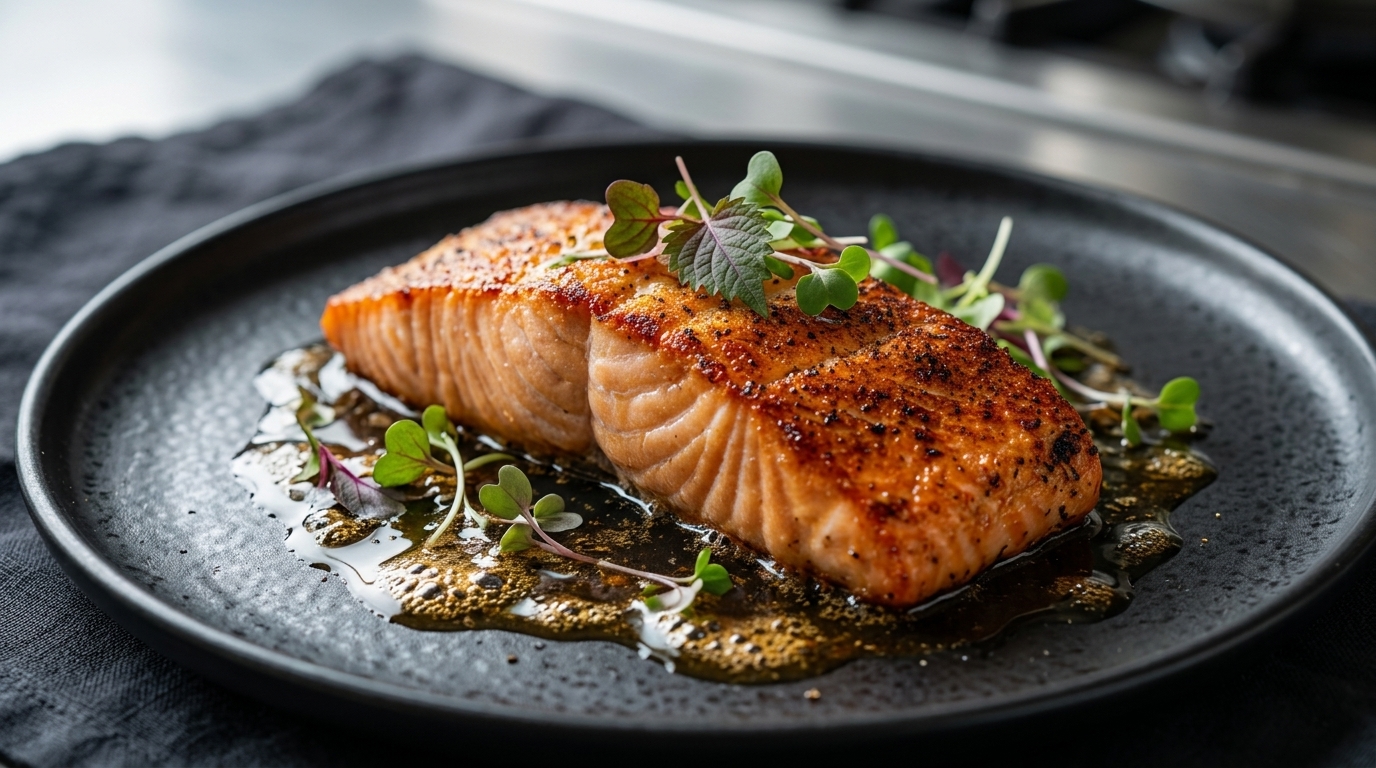
Why is the skin the key?
The skin is more than texture. It protects delicate flesh, carries flavor and shows whether heat is under control.
Crispness is not an accident. It is control over moisture, temperature and patience.
— Szef Kuchni
Drying
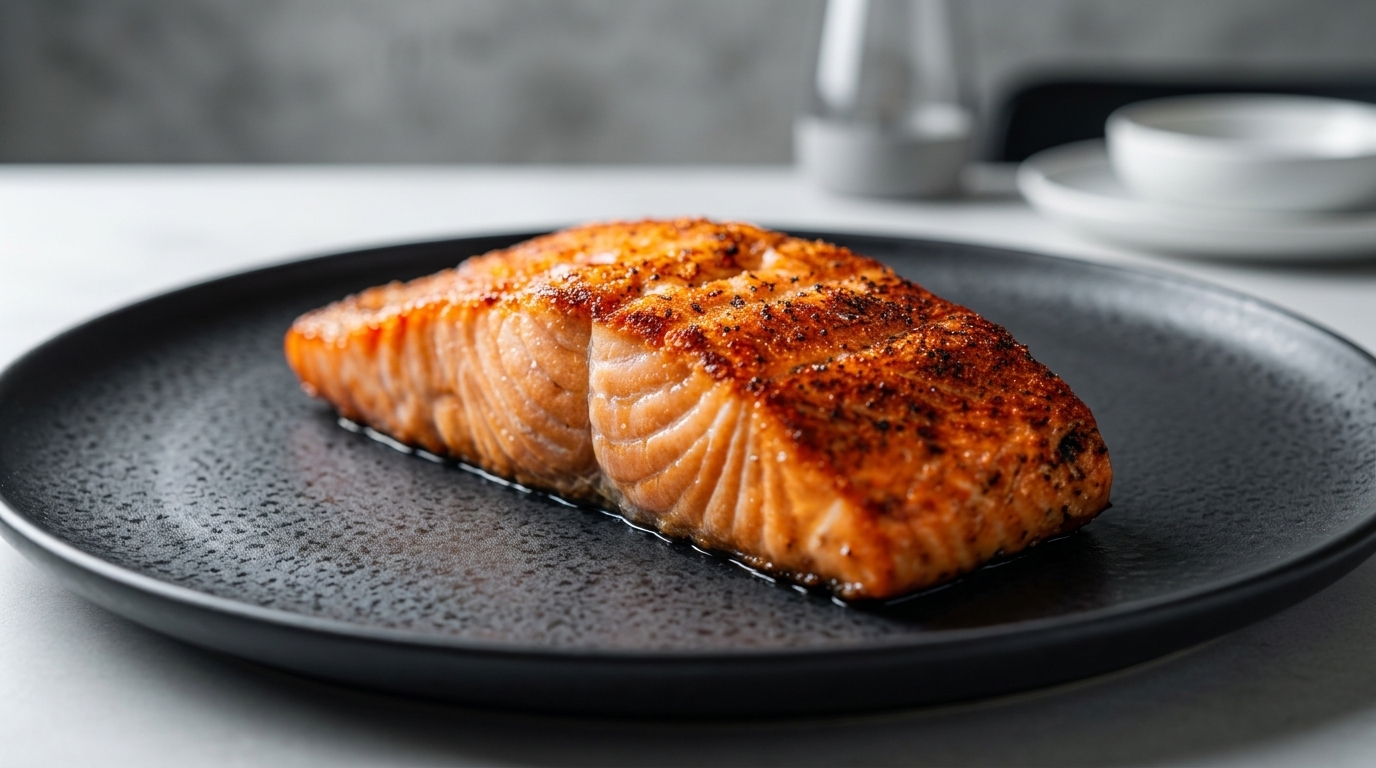
Dry the skin thoroughly with a paper towel. Moisture is the enemy of crispness.
Pressure
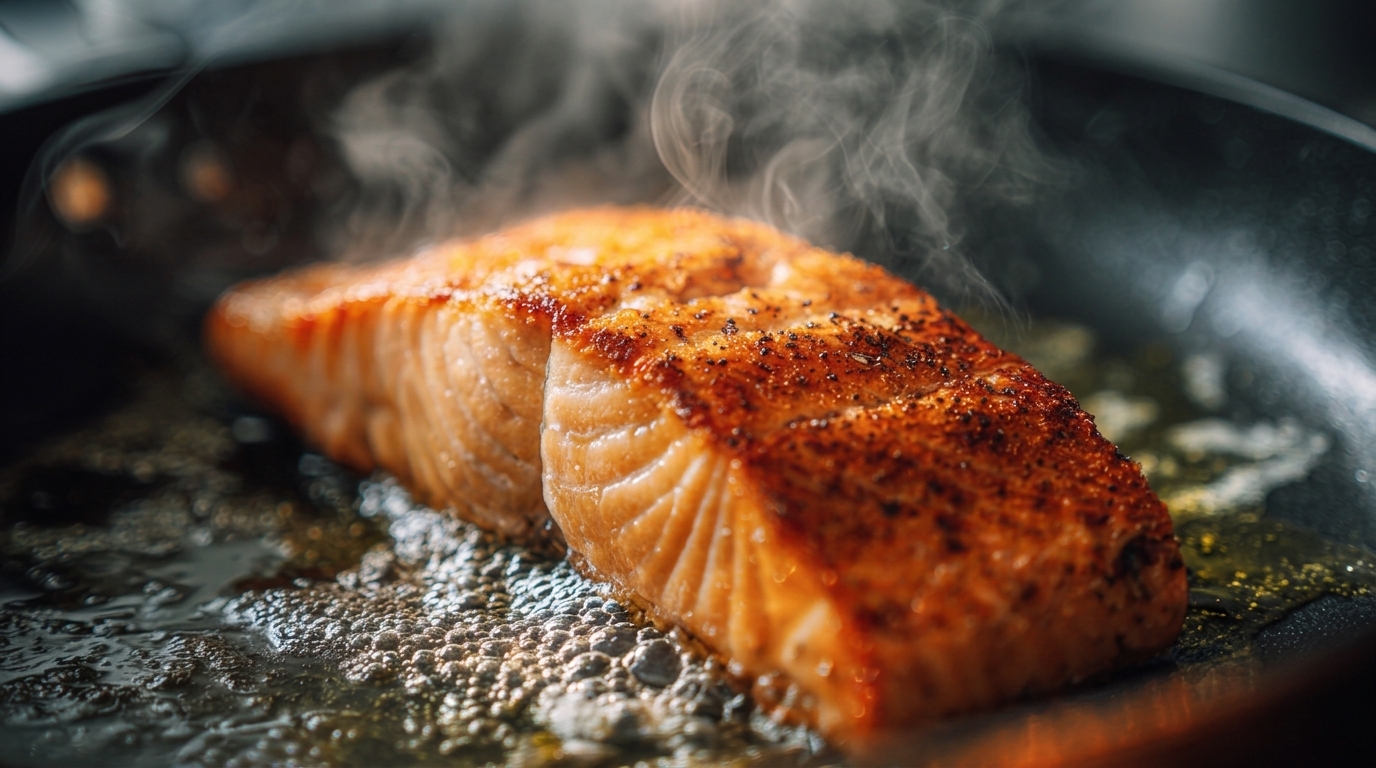
Gentle pressure during frying keeps the skin in even contact with the pan.
Temperature
Use medium heat and patience. Let the skin do its work.
Golden rule
Never turn the fish until the skin releases from the pan by itself. That is the signal it is ready.
„Let it brown. Do not help. Do not rush.”Achieving a glass-like, shatteringly crispy fish skin while keeping the flesh underneath succulent and tender is the ultimate test of a line cook. In professional kitchens, this is not a matter of luck, but a precise application of food science and thermodynamics. To transform soft, collagen-rich fish skin into a delicate, savory wafer, you must master moisture control, protein coagulation, and heat transfer. Whether you are working with salmon, sea bass, or cod, the fundamental principles of physics remain identical.
1. Moisture Elimination: The Enemy of Crispiness
Water is the absolute enemy of the Maillard reaction. If there is any surface moisture on the fish skin when it hits the hot pan, that water will instantly turn into steam. Instead of frying, the skin will steam, resulting in a rubbery, soggy texture.
To prevent this, start by scraping the skin. Place the fillet skin-side up on a cutting board. Holding a chef's knife at a 45-degree angle, scrape the blade firmly across the skin from tail to head. You will see a gray, gelatinous moisture rise to the surface—this is excess water and protein-rich slime. Wipe it away with a paper towel. Repeat this process until the blade comes away completely dry. Next, salt the skin lightly and let it sit for 10 minutes. The salt will draw out deep-seated moisture via osmosis. Pat the skin dry one final time immediately before it goes into the pan.
2. Managing Collagen and the "Curl" Effect
Fish skin contains high amounts of collagen. When collagen is exposed to sudden heat, it contracts rapidly. This contraction causes the fish fillet to curl upward, lifting the edges of the skin away from the hot surface of the pan. If the skin does not maintain direct contact with the pan, it will cook unevenly and fail to crisp.
To counteract this physical reaction, you must apply physical pressure. Use a flexible metal fish spatula to press down firmly but gently on the fillet the moment it touches the hot oil. Focus the pressure on the thickest parts of the fish. Hold it down for the first 30 to 45 seconds of cooking. By the time you release the pressure, the proteins will have set in a flat position, ensuring continuous, even contact with the heat source.
3. Pan Selection and Heat Dynamics
To achieve professional results, you need a pan with high thermal mass. Heavy stainless steel, carbon steel, or cast iron are the best choices. Non-stick pans are generally poor conductors of high heat and do not allow for the same level of Maillard browning.
Add a high-smoke-point fat, such as clarified butter (ghee), canola oil, or grapeseed oil, to the pan. Do not use extra virgin olive oil, as it burns at the temperatures required for this technique. Heat the pan until the oil is shimmering and just beginning to wisps of smoke. This high initial heat is crucial to instantly sear the skin and prevent it from sticking to the metal.
4. The 80/20 Rule of Frying
One of the most common mistakes is flipping the fish too early. To get a perfectly crispy skin and a juicy interior, cook the fish 80% of the time on the skin side.
Once the fish is in the pan and pressed flat, lower the heat to medium. This allows the heat to gently conduct through the skin and cook the flesh of the fish without burning the exterior. Watch the side of the fillet; you will see the opaque, cooked color creep up from the bottom. Only when the skin is completely golden and releases naturally from the pan should you flip it. Flip the fish and cook the flesh side for the remaining 20% of the time—usually just 30 to 60 seconds.
Practical Checklist for Crispy Fish Skin
- ScrapeUse a knife blade at 45 degrees to remove surface moisture and slime.
- Salt and DrySalt the skin, wait 10 minutes, and pat completely dry with paper towels.
- PreheatUse a heavy stainless steel or carbon steel pan with high-smoke-point oil until shimmering.
- PressApply firm, even pressure with a fish spatula for the first 45 seconds to prevent curling.
- PatienceCook 80% of the time on the skin side over medium heat; do not touch it until it releases naturally.
- RestServe or rest the fish skin-side up to prevent steam from softening your hard work.
Conclusion
Perfect crispy fish skin is a rewarding culinary achievement that relies entirely on technique rather than expensive ingredients. By systematically removing moisture, controlling the physical contraction of collagen, and managing heat distribution, you can consistently produce restaurant-quality fish at home. Remember: dry skin, a hot pan, and patience are your three most important tools.